Why your tyre pressure lies to you in a UAE summer
Set your pressure at 3 PM in August and you are probably under-inflated by morning. Here is how heat changes the numbers and what to do about it.
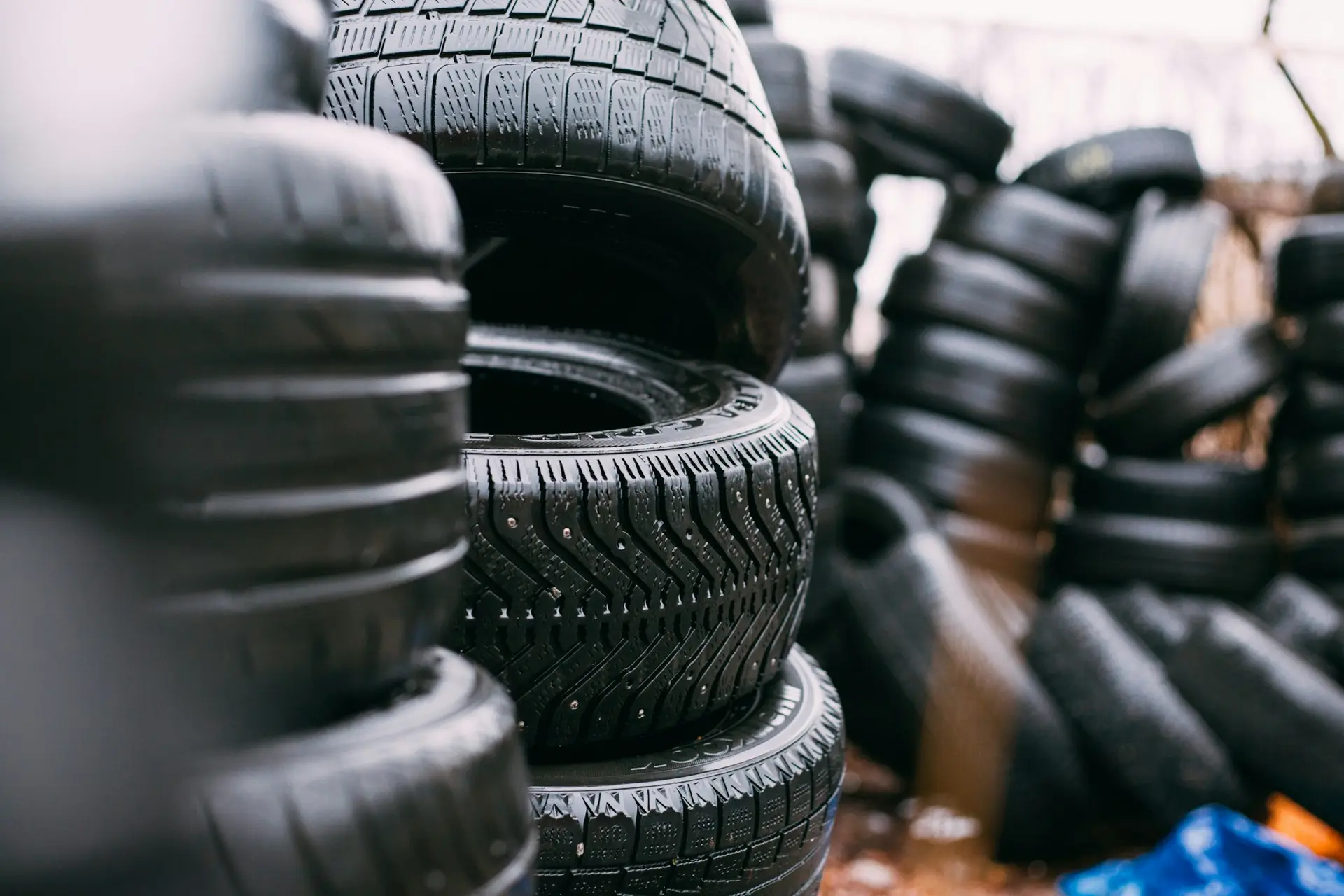
Most drivers check tyre pressure at a petrol station in the middle of the day. In Sharjah in summer that is the worst possible moment. The tyres have been rolling on asphalt that can pass 60°C, and the air inside has expanded.
Heat adds pressure you do not really have
As a rough rule, pressure rises about 1 PSI for every 5 to 6°C increase in tyre temperature. A tyre that reads 35 PSI after a hot afternoon drive may sit at 31 or 32 PSI at 6 AM. If you let air out at the pump because the number looks high, you end up driving under-inflated all night and morning.
- Under-inflated tyres flex more and build even more heat
- The shoulders wear out faster than the centre
- Fuel consumption goes up
- The risk of a blowout on a long highway run increases
The right way to check
Measure cold, ideally before your first drive of the day or after the car has stood in the shade for three hours. Use the pressure printed on the sticker inside the driver door, not the maximum written on the tyre sidewall. That maximum is a safety limit, not a target.
If a tyre keeps losing pressure faster than the others, do not just keep topping it up. A slow leak from a nail or a corroded valve is cheap to fix and expensive to ignore.
Found this useful? Book a free check.
Book a slot